1. Safety and scope
The team explains what it can handle and which parts, like testing a site where drugs were made, need a different plan.
Sheldon, IA · O'Brien County
After police release a property in Sheldon, the owner or family still has to deal with what is left. Call (877) 812-4220 for sharps pickup, residue cleanup and odor treatment.
If anyone is in danger, call 911 first. For a suicide crisis, call or text 988.
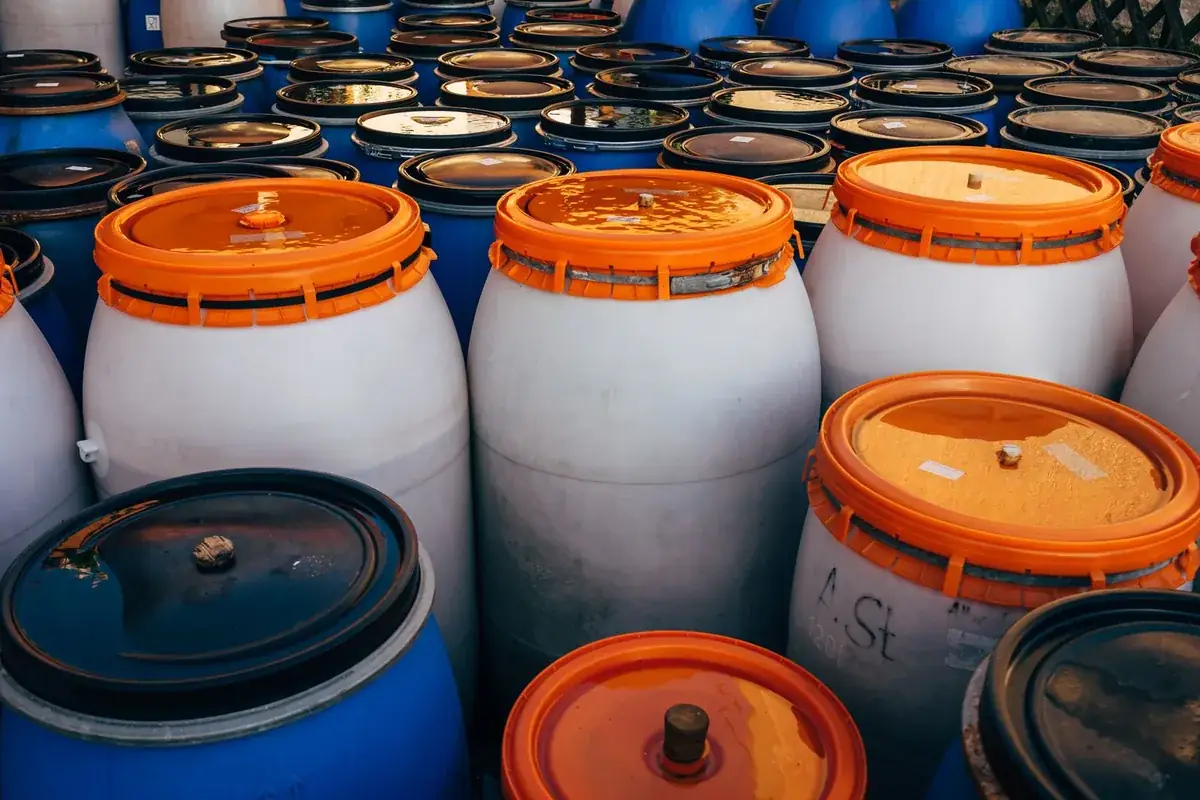
Paraphernalia removal is the first half of a drug use cleanup. Sharps go into puncture-resistant containers, other items are bagged and sealed, and everything is taken away as regulated waste.
After a tenant leaves, you may find needles, residue or stained rooms in your Sheldon property. Call Sheldon Biohazard Cleanup Help for a team that collects sharps safely, removes soiled materials and cleans the unit, anywhere in O'Brien County.
With about 33% of Sheldon households renting, a unit left in poor shape after a move-out is a common reason for a cleanup call. After a needle stick or exposure to an unknown substance, get medical care. Sanford Sheldon Medical Center in Sheldon is the closest emergency room to Sheldon.
A typical drug paraphernalia cleanup job includes:
The team explains what it can handle and which parts, like testing a site where drugs were made, need a different plan.
The team looks over the rooms and decides which items, surfaces and materials need attention.
Contaminated materials are bagged and carried out. Rebuilding or replacing them can wait until the space is clean.
A last pass checks for missed items, and the owner receives guidance on next steps.
The cost of drug paraphernalia cleanup in Sheldon, IA depends on the amount of material, how it is packed and how it is hauled.
Access and travel matter. A unit with stairs, locked areas or a long drive takes more time to serve.
| Type of job | Typical range |
|---|
Estimates only, not a quote. Sources: . Price drivers include amount of material, whether residue is present, surfaces affected, waste disposal. Call (877) 812-4220 to talk through the job.
Call 911 right away. Cleanup can wait. After the emergency is over and the space is released, a cleanup team can handle the items and residue left behind.
It is safer not to. You often cannot tell what an item or residue is, and hidden sharps are a risk. Do not mix cleaning products. A cleanup team has the protective gear and containers to do it safely, without judgment.
It can. Powders and stains may stay on floors, furniture, bedding and in vents after the items are gone. That is why a team cleans and disinfects the surfaces and removes soft materials that cannot be cleaned. Ask what the plan covers.
Crews wear protective gear, remove sharps and loose items, and then clean hard surfaces with EPA-registered disinfectants. Porous materials such as carpet, padding or upholstery that took in residue may be removed. The team can explain what applies to your space.
Standard paraphernalia cleanup is about removal, cleaning and disinfection. Testing is a separate step, usually tied to a site where drugs were made. Ask the team and the local health department what testing, if any, applies to your property.
A careful cleanup removes the items and cleans the surfaces it covers. Testing is a separate step, and rules vary by place. Ask the team what it did and did not check, and ask the local health department what applies where you live.
Describe what you found and ask how removal and cleaning would work.
Call (877) 812-4220